
Modernising hotel rooms is not always about major refurbishments or introducing the latest technology. Sometimes, improving the smaller details can make everyday operations easier while helping a property maintain the experience guests expect.
In-room tea and coffee facilities are a good example. For hotel operators, updating hospitality trays involves more than choosing a new design. Space constraints, guest preferences, sustainability, equipment maintenance and replenishment costs all need to be considered.
So, how can hotels modernise their tea and coffee provision without creating unnecessary disruption for guests or their teams?
Guests increasingly expect convenience and consistency throughout their stay. Research highlighted by hospitality industry body HOSPA in its 2026 analysis of guest expectations points to the continuing importance of cleanliness, convenience and personalised experiences.
For in-room refreshments, that does not necessarily mean providing the widest possible selection. It means ensuring the essentials are clean, accessible, well presented and appropriate for the hotel’s positioning.
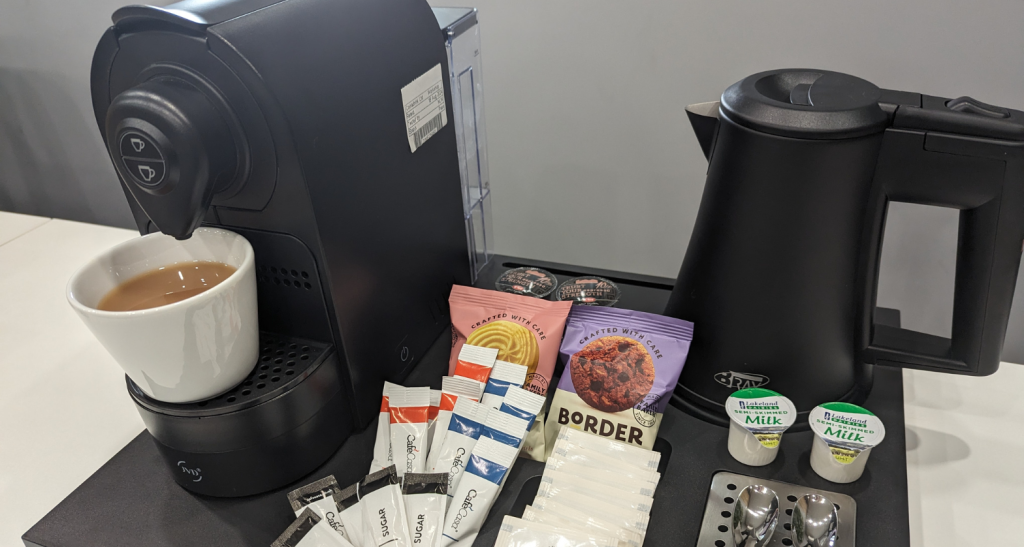
Some properties may choose to offer a straightforward selection of tea, instant coffee and biscuits. Others may look to introduce coffee bags, premium blends or pod machines to complement a more upscale room experience.
The key is to understand what guests are likely to value and select products that the hotel can maintain consistently. A standardised refreshment setup for each room type can also help housekeeping teams replenish supplies efficiently.
Hotels can explore hotel tea, coffee and milk supplies when reviewing the products available for their hospitality trays.
Space is a practical consideration, particularly in smaller rooms, boutique hotels and properties where every surface needs to serve a purpose.
A refreshment tray should accommodate the equipment and supplies guests need without making the room feel cluttered. Its size, shape and layout should work with the furniture and leave enough space for guests to prepare a drink comfortably.
Before choosing a new tray, hotel teams should assess the available surface area, the number of items required and whether the setup can be cleaned and replenished easily.
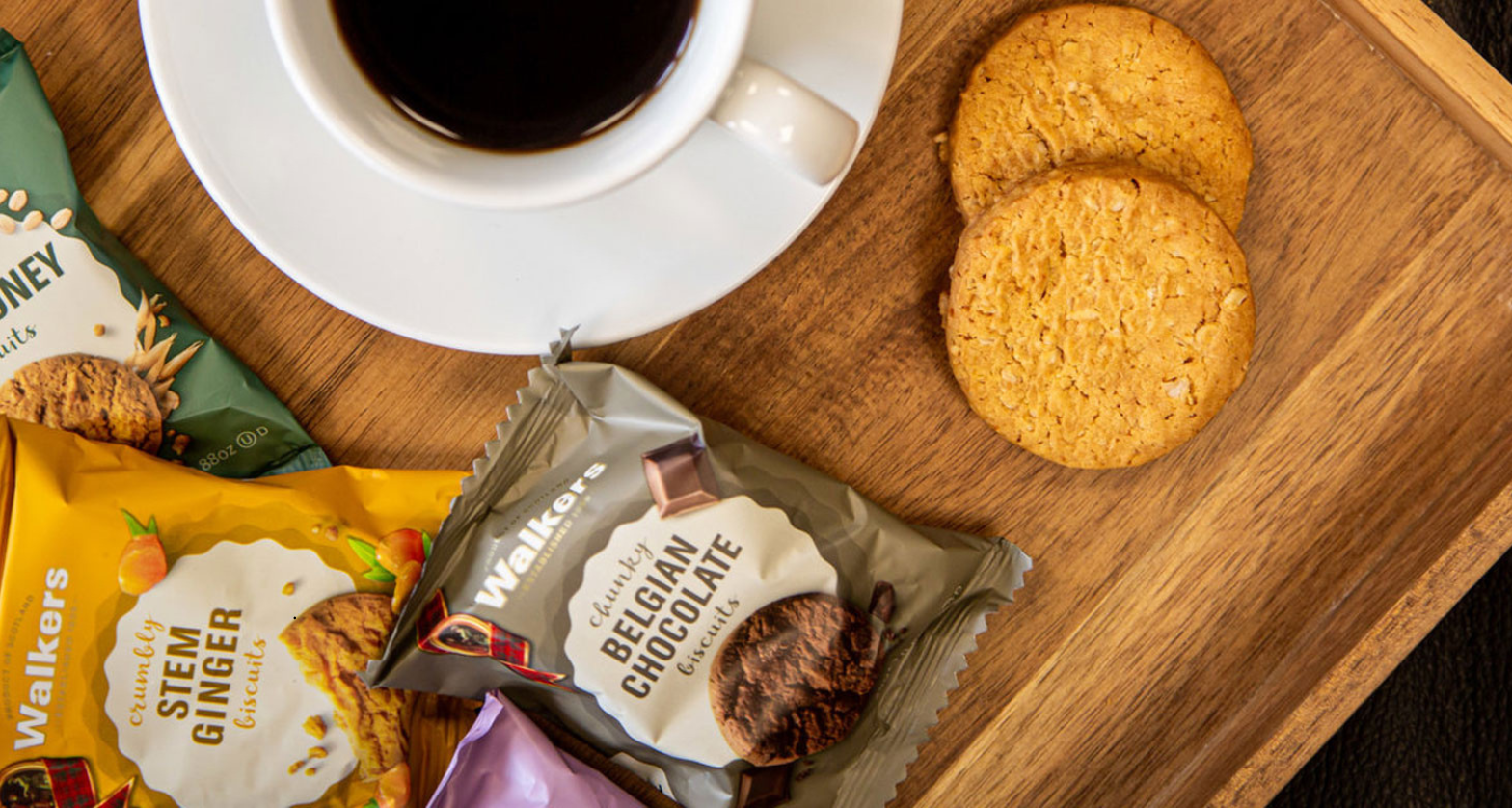
A compact tray with a considered layout may be more effective than a larger arrangement that offers little additional value. Options such as the Snap Hospitality Tray can be considered when looking for a solution that suits the room’s layout and presentation requirements.
It is also worth reviewing the items placed on the tray. Removing unnecessary accessories and choosing products that fit the available space can help create a tidier, more functional setup.
Modernising refreshments does not always require new electrical equipment. Reviewing the products themselves may be a simpler way to improve the guest experience.
Coffee bags, for example, offer an alternative to instant coffee without requiring a dedicated machine. They are individually portioned and can be prepared using hot water, making them useful where space, simplicity and ease of replenishment are priorities.
For hotels looking to provide a more premium coffee experience, pod machines or other coffee-making equipment may be worth considering. However, the decision should account for the purchase price, consumables, cleaning requirements and time needed to maintain the equipment.
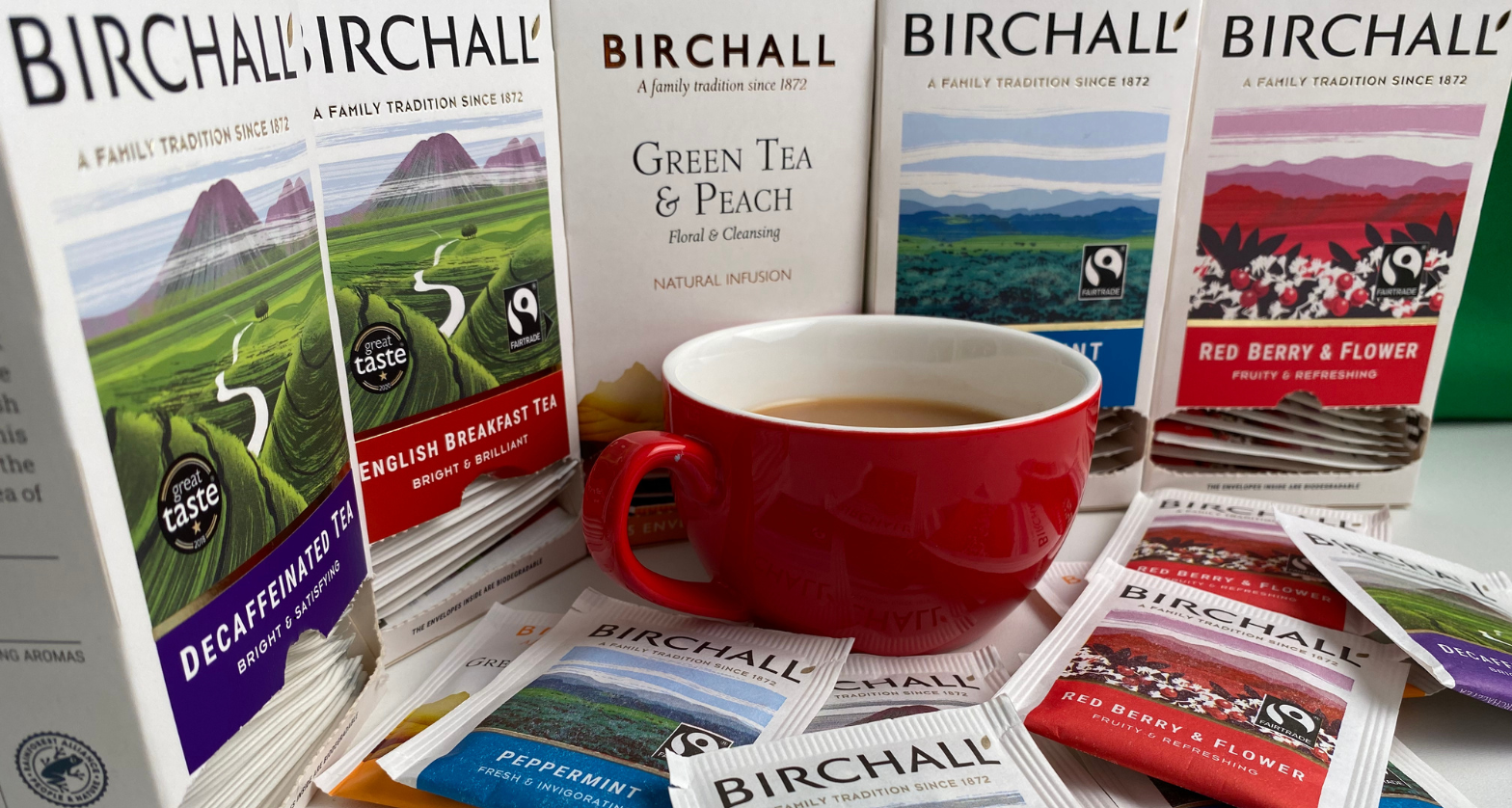
Tea provision deserves the same consideration. A familiar black tea may be sufficient for some properties, while others may benefit from offering decaffeinated or herbal options.
Hotel Trays offers a selection of coffee bags, instant coffee, coffee beans and other coffee products, alongside a wider range of hotel refreshment supplies.
The best choice will depend on the hotel’s guest profile, budget and service standards. A thoughtful, manageable selection is often more useful than an extensive range that is rarely used.
Sustainability is another factor to consider when updating hotel room amenities. However, improvements should be based on practical evidence rather than assumptions that replacing equipment will automatically deliver environmental benefits.
The British Business Bank’s guidance on making hotels, B&Bs and guest houses more sustainable outlines ways accommodation businesses can review energy consumption, waste and the products used in guest rooms.
For tea and coffee facilities, hotels could consider:
Sustainability decisions should consider the whole picture, including product packaging, equipment lifespan, energy use and waste. A change that looks more environmentally friendly may not be the best option if it creates additional waste or requires frequent replacement.
A modern refreshment tray still needs to work for the people responsible for preparing rooms. If equipment is difficult to clean or supplies are awkward to replenish, a seemingly simple upgrade can add to housekeeping workloads.
Before introducing a new setup, operators should consider how long it takes to inspect, clean and restock each tray. They should also ensure staff know what each room type should contain and how to report faulty equipment.
A standard checklist can cover the condition of the kettle or coffee machine, cleanliness of cups and trays, availability of refreshments and any missing or damaged items.
Cleaning equipment should be maintained in line with the manufacturer’s instructions. For hotels using coffee machines, suitable coffee cleaning equipment and products can form part of the wider maintenance routine.
Consistent processes help reduce the risk of missed checks and make it easier to maintain standards during busy room changeovers.
Modernisation does not have to mean replacing every tray or appliance at once. A phased approach can help hotels prioritise improvements and assess whether they deliver the intended benefits.
Before committing to a change, operators should consider:
Guest feedback, equipment records and stock usage can help identify where improvements are most worthwhile. Testing a new tray or product in a small number of rooms may also provide useful feedback before a wider rollout.
The aim is to make changes that have a clear operational or guest-facing purpose, rather than modernising for appearance alone.
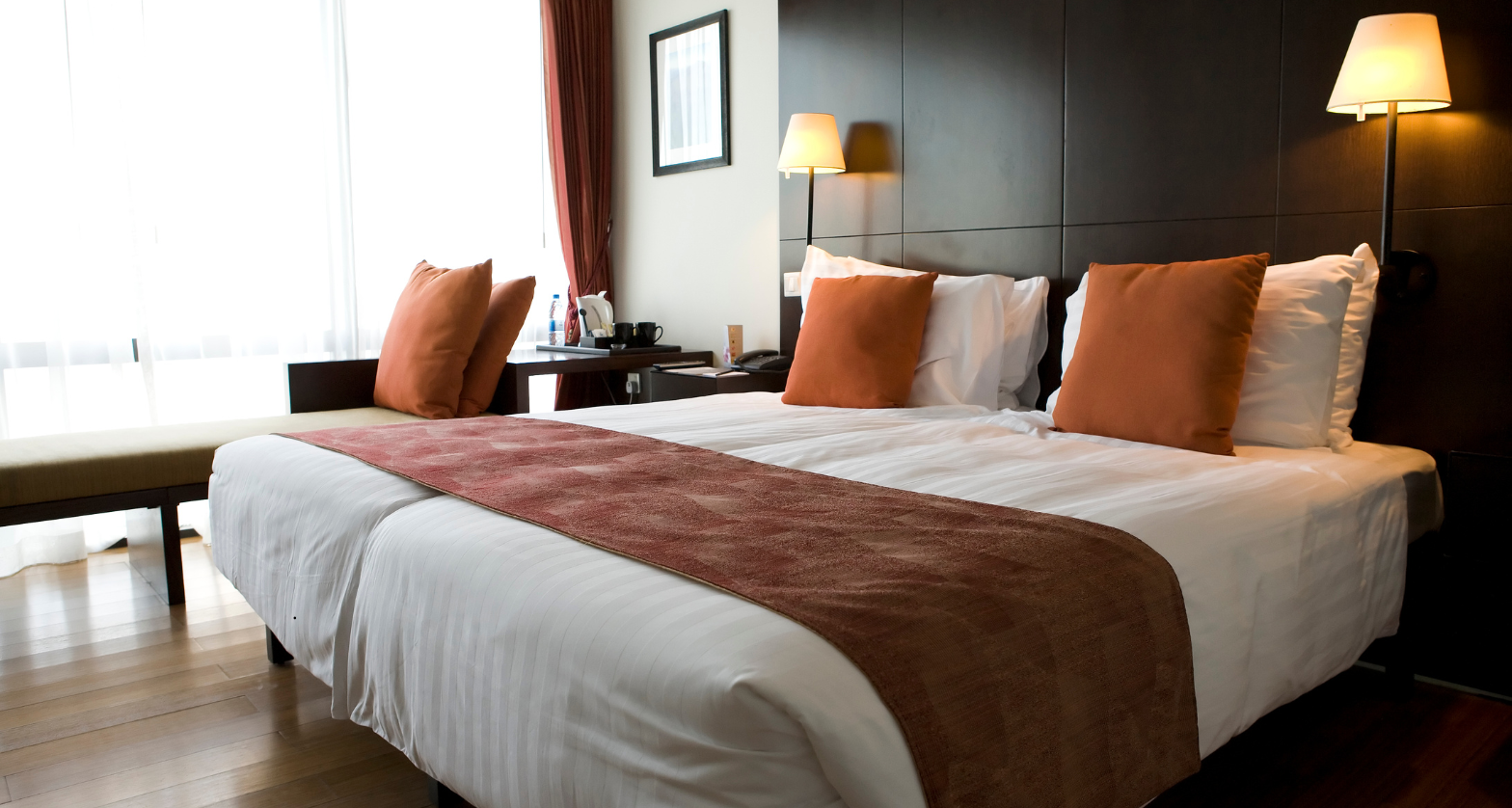
Hotel tea and coffee trays may be a small feature of the guest room, but they bring together several important considerations: presentation, convenience, equipment, sustainability and day-to-day operations.
By reviewing these elements together, hotels can identify opportunities to improve the refreshment experience while keeping the process practical for their teams.
Whether the priority is making better use of space, introducing different coffee options or improving replenishment routines, the most effective approach starts with understanding the property’s needs and selecting a solution that can be maintained over time.
Modernising hotel refreshments is not simply about what guests see on the tray. It is about making sure the entire setup works well for guests, staff and the business.
