

Guest reviews can reveal a great deal about the hotel experience. While comments about room cleanliness, comfort and service often attract attention, smaller details can also influence how guests perceive their stay.
Hotel tea and coffee facilities are one example. They may be a standard feature, but the quality of the refreshments, condition of the equipment and availability of supplies can all affect whether the offering meets expectations.
For hotel operators, the opportunity is to look beyond individual comments and identify patterns. Are guests repeatedly asking for more choice? Are supplies missing? Is the equipment difficult to use, or does the presentation fall short of the hotel’s wider standards?
Understanding what guests are saying can help turn everyday feedback into practical improvements.
Online reviews provide hotels with an opportunity to understand the experience from the guest’s perspective. They can highlight issues that routine inspections may overlook, as well as identify aspects of the service that guests appreciate.
Hospitality industry body HOSPA’s 2026 analysis of changing guest expectations highlights the importance of consistency, cleanliness and convenience. It also reports that online reviews influence where many travellers choose to stay, reinforcing the value of monitoring feedback and responding to recurring concerns.
For in-room refreshments, a single comment may reflect an individual preference. However, repeated feedback about missing tea bags, poor-quality coffee or unclean equipment could point to a wider operational issue.
Hotels should therefore consider reviews alongside housekeeping checks, guest surveys and stock records. Together, these sources can provide a clearer picture of how well the current setup is working.
Refreshments are a small part of the overall stay, but the products provided should be appropriate for the hotel’s positioning and the expectations it sets.
If guests regularly describe the coffee as disappointing, for example, it may be worth reviewing the blend, preparation method or available alternatives. If feedback is consistently positive, that can help confirm that the current selection is working well.
The answer is not necessarily to introduce expensive equipment or a large range of products. A carefully chosen selection that suits the property may be more effective than adding options without understanding whether guests want them.
Hotels can explore hotel tea, coffee and milk supplies when reviewing the products available for their rooms.
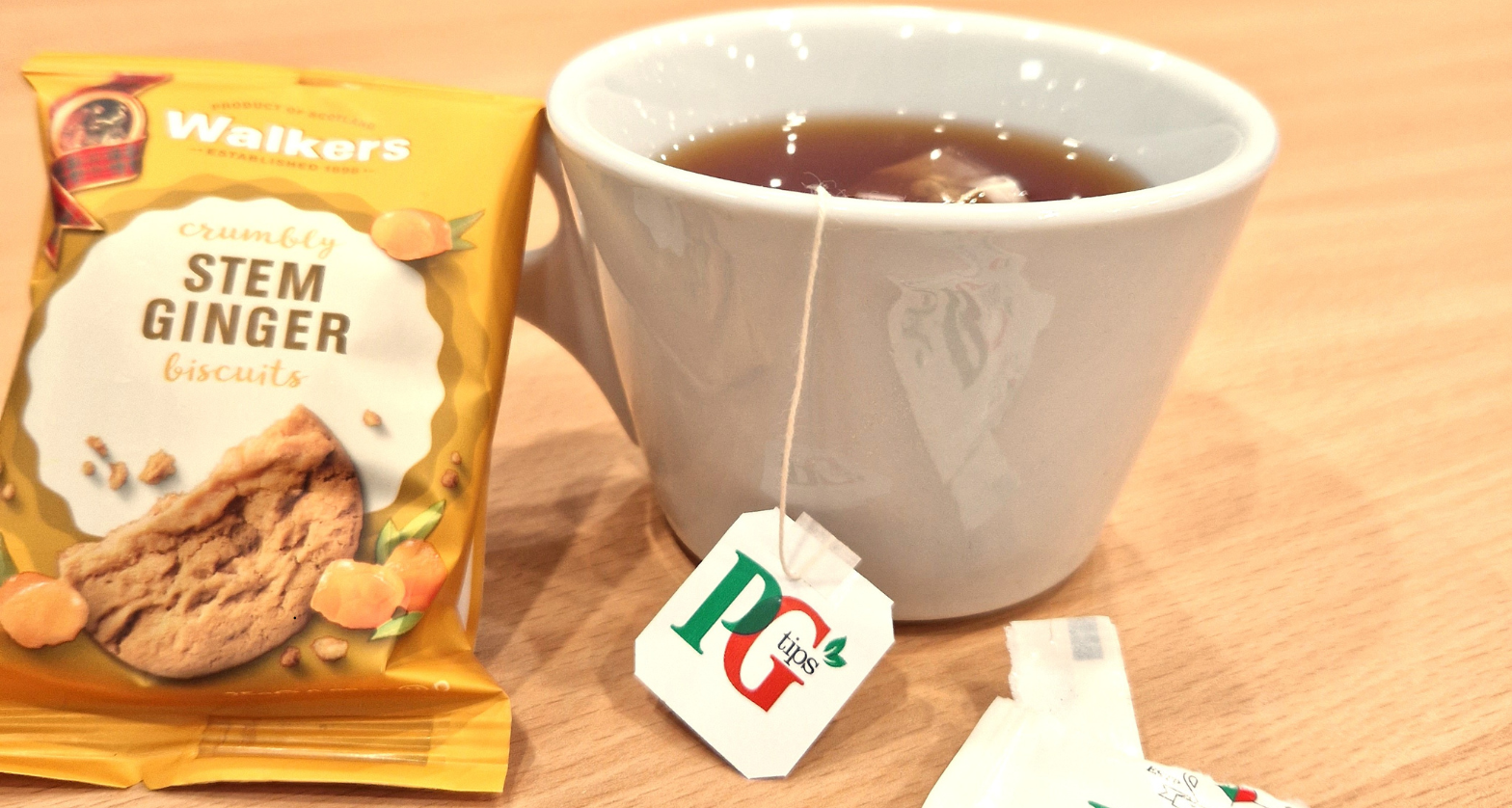
Different guests have different preferences. Some may be happy with a familiar tea and instant coffee, while others might appreciate decaffeinated options, herbal teas or a different style of coffee.
Reviews can help identify whether the current selection is appropriate. However, operators should avoid making changes based on isolated requests alone. Looking for repeated comments and considering the hotel’s target audience can help determine whether additional choice is justified.
Coffee bags, for example, provide an alternative to instant coffee without requiring a dedicated machine. Hotels can review the available coffee products, including coffee bags, when considering ways to broaden their offering.
The objective is to provide relevant choice while keeping purchasing, storage and replenishment manageable.
Few things undermine the convenience of in-room refreshments more than finding that expected supplies are missing.
Comments about empty coffee supplies, insufficient tea bags or missing milk may indicate that room checks need to be reviewed. They could also suggest that the quantities provided do not match typical guest usage, particularly during longer stays.
A standard replenishment checklist can help housekeeping teams confirm that the expected products are available before a room is ready. Hotels can also review how frequently supplies are used and whether quantities need to vary between room types or lengths of stay.
Having a clearly organised range of hotel replenishment products can help support a consistent approach to stock management.
A hospitality tray should be clean, presentable and straightforward to use. Guest comments about limescale, residue, damaged cups or faulty kettles should prompt a review of the relevant cleaning and maintenance procedures.
Routine checks should cover the tray, cups, kettle or coffee machine, and the surrounding surface. Equipment should be cleaned according to the manufacturer’s instructions, with faults reported and damaged items replaced where necessary.
Hotels should also consider whether the equipment is practical for the housekeeping team to maintain. A design that looks good but is difficult to clean may create avoidable work over time.
A suitable hospitality tray can help keep refreshments organised and presentable, but the tray itself must be supported by consistent cleaning and inspection routines.
Guest feedback may also reveal whether the refreshment setup feels appropriate for the room.
A premium property may want its hospitality tray to complement the wider interior, while a budget hotel may prioritise durability, ease of use and straightforward replenishment. Neither approach is inherently better; the important thing is that the setup matches the experience the hotel intends to provide.
Managers should consider whether the equipment, packaging and arrangement of products look intentional and whether guests can easily understand how to use them.
If comments repeatedly mention that the tray looks cluttered or that supplies are difficult to find, a simpler layout may be worth testing.
Collecting feedback is only useful if it informs decisions. Hotels can make the process more effective by recording recurring themes and assigning clear actions to the relevant teams.
A practical approach could include:
It is also important to distinguish between a genuine service issue and an individual preference. Not every request needs to become a permanent addition to the room, particularly if it creates additional cost or complexity without clear wider benefit.
Improving the refreshment experience does not have to mean spending more on every room. In some cases, better organisation, clearer processes or a more suitable product selection may deliver greater value than an expensive upgrade.
Hotels should consider the full cost of their provision, including consumables, equipment, cleaning, maintenance and staff time. They should also review waste, such as products that are regularly left unused or supplied in quantities that exceed typical demand.
The American Customer Satisfaction Index’s 2026 lodging benchmarks recorded an improvement in its US industry score for in-room amenities, which include refreshments, electronics, toiletries and bedding. Although these figures relate to the US rather than the UK, they underline the importance of considering room amenities as part of the wider guest experience.
For hotel managers, guest feedback is one useful source of evidence, but it should be considered alongside operational information and the hotel’s own standards.

Tea and coffee facilities may not define an entire hotel stay, but they are part of the experience guests encounter in their rooms. When the offering is clean, well stocked, easy to use and appropriate for the property, it helps deliver the standard guests expect.
By monitoring reviews and identifying recurring themes, hotel operators can make informed decisions about product choice, equipment, presentation and replenishment. The result need not be a more elaborate setup; it should be a more effective one.
The most useful guest feedback is not simply the comment that gets noticed, but the insight that helps a hotel improve what it delivers every day.
