
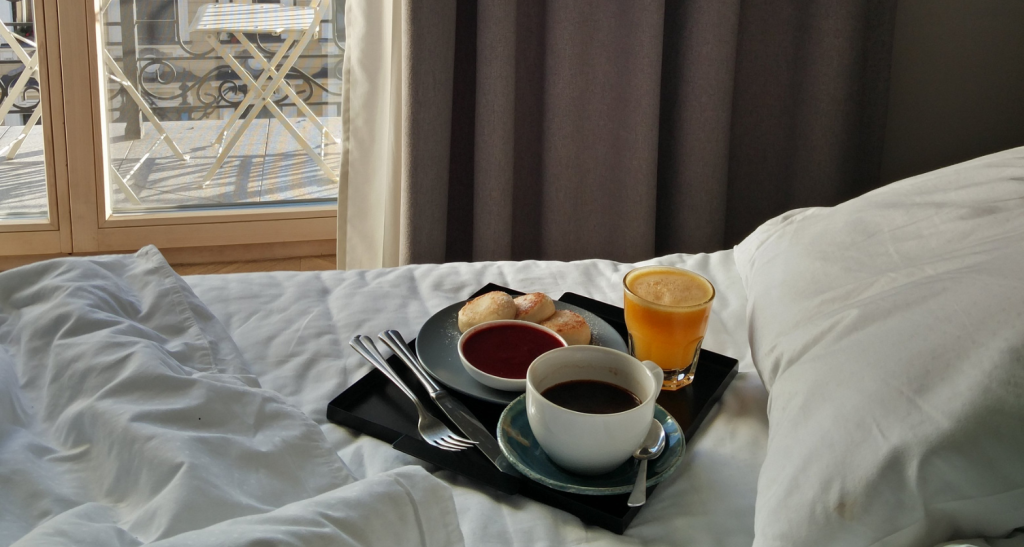
For hotel guests, a comfortable stay is often shaped by the details. A clean room, a comfortable bed and access to everyday essentials all help create an experience that feels considered and convenient.
For hotel operators, delivering those standards consistently can be challenging. Staffing pressures, rising operating costs and the need to maintain rooms between stays mean even the smallest amenities need to be managed effectively.
In-room refreshments are one example. When planned well, tea and coffee facilities can give guests greater independence while helping housekeeping teams maintain a consistent standard across the property.
Guests do not necessarily expect every hotel room to offer an extensive range of extras. They do, however, expect the essentials to be clean, functional and appropriate for the accommodation.
Research from the American Customer Satisfaction Index (ACSI), using data collected between April 2025 and March 2026, recorded an improvement in its US hotel industry’s score for in-room amenities, including refreshments, electronics, toiletries and bedding. This underlines the importance of the room itself as part of the wider guest experience.
For hoteliers, the challenge is to identify which amenities matter to their guests and deliver them reliably. In-room tea and coffee can be a practical place to start, offering guests a convenient drink without requiring a visit to the restaurant or reception.
The right provision will depend on the property, its room rates, its target audience and the length of a typical stay. A business hotel may prioritise speed and convenience, while a boutique or premium property may place greater emphasis on presentation and choice.
A well-presented hospitality tray can make refreshments feel like a considered part of the room rather than an afterthought. However, its value depends on more than appearance alone.
Hoteliers should consider the available space, ease of use, storage for consumables and how straightforward the setup is for housekeeping staff to check and replenish.
A hospitality tray designed for hotel rooms can help keep equipment and supplies organised, while options with integrated storage may be particularly useful where space is limited.
Equipment should also suit the needs of the property. Standard kettles may be appropriate for many rooms, while pod coffee machines can offer an alternative for hotels looking to provide a more premium experience. Reviewing the available hotel kettles and coffee machines can help operators assess the options against their room standards, budget and practical requirements.
The aim is not to provide the most elaborate setup in every room. It is to choose a solution that meets guest expectations and remains manageable for the team responsible for maintaining it.
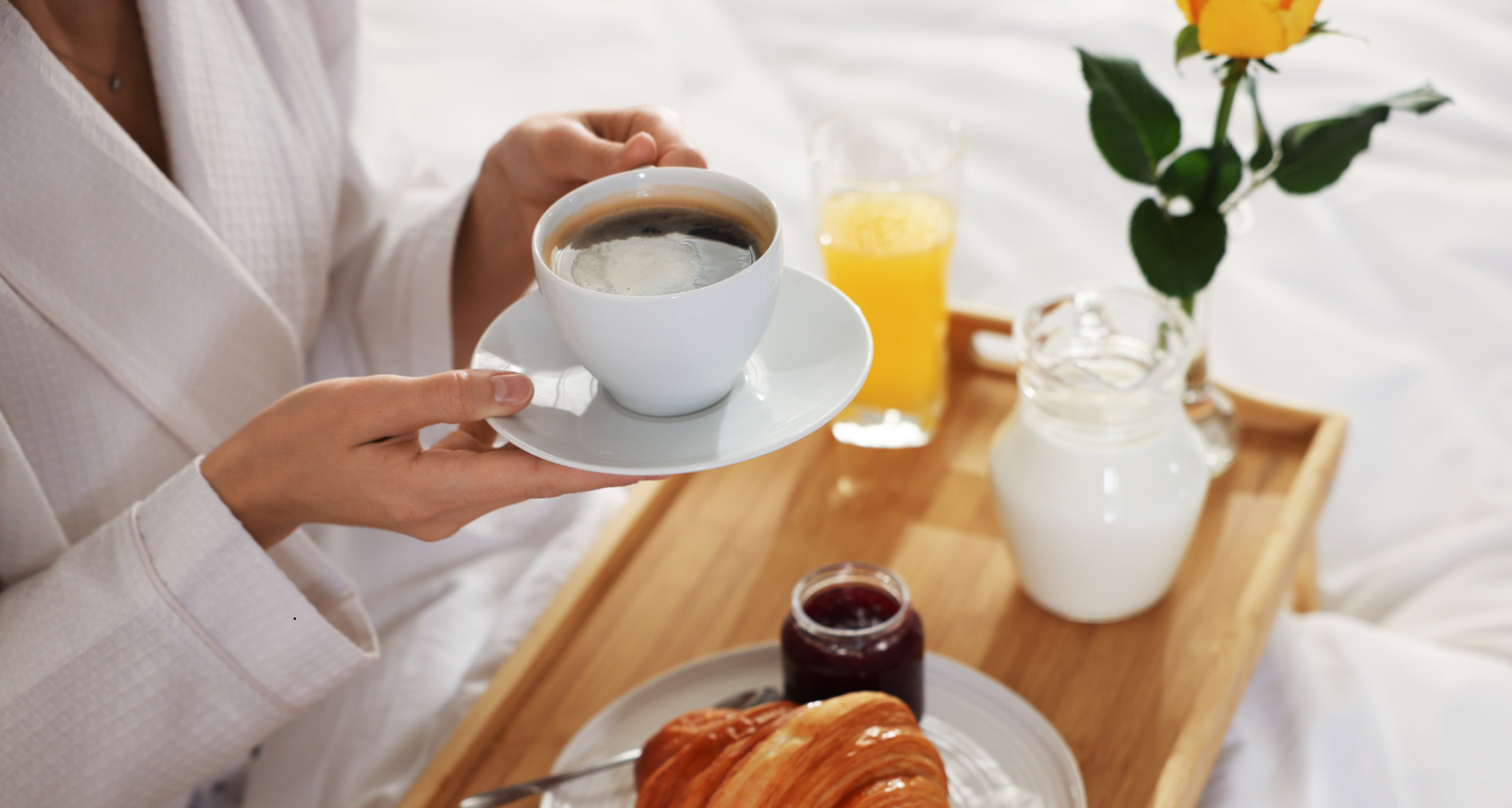
Tea, coffee, milk, sugar and other single-serve items need regular attention. If supplies run out, guests may be left without the amenity they expected. If too much is provided, unused stock can contribute to unnecessary waste and cost.
A consistent replenishment process can help avoid both problems. Hotels could establish a standard checklist for housekeeping teams, covering stock levels, presentation, equipment condition and any items that need replacing. Replenishment requirements can also be reviewed against occupancy patterns and the length of guest stays.
The products selected matter, too. A straightforward range of reliable, easy-to-store items may make stock control simpler, while a carefully chosen selection can offer guests more choice without creating unnecessary complexity.
Hotel operators can explore hotel tea, coffee and milk supplies when reviewing which products best suit their rooms and replenishment routines.
Refreshment facilities are part of the guest room, so they should be included in routine cleaning and inspection processes.
Kettles, coffee machines, cups, trays and surrounding surfaces need to be checked regularly. Any equipment showing signs of damage, limescale build-up or wear should be dealt with promptly, following the manufacturer’s cleaning and maintenance guidance.
Clear procedures help staff understand what needs to be cleaned, how often it should be checked and when an item should be taken out of use. They can also help reduce the likelihood of problems being missed during busy changeovers.
For operators, the aim is to make these checks part of an established process rather than an additional task that depends on individual staff members remembering to carry it out.
Every amenity has a cost, whether that comes from purchasing supplies, replacing equipment, maintaining stock or allocating staff time. The answer is not necessarily to remove amenities, but to understand which ones provide value and how they can be delivered efficiently.
A review of in-room refreshments could consider:
Recent hospitality commentary from HOSPA on changing guest expectations highlights the continuing importance of cleanliness, convenience and consistent experiences. For hotels, these priorities need to be balanced with the practical realities of running a property.
Reviewing guest feedback alongside operational information can help managers decide where to maintain standards, where to make improvements and where a simpler approach may work just as well.

Guest satisfaction is not built solely through major facilities or headline features. The everyday details matter, too, particularly when they help guests feel comfortable and allow hotel teams to work efficiently.
In-room tea and coffee provision is one relatively small part of the overall stay, but it brings together several operational considerations: equipment, cleanliness, replenishment, presentation and cost control.
By choosing suitable equipment, establishing clear routines and reviewing what guests actually value, hoteliers can make these facilities easier to manage without losing sight of the guest experience.
The question for hotel operators is not simply which amenities guests want, but how those essentials can be delivered consistently, efficiently and to the right standard.
