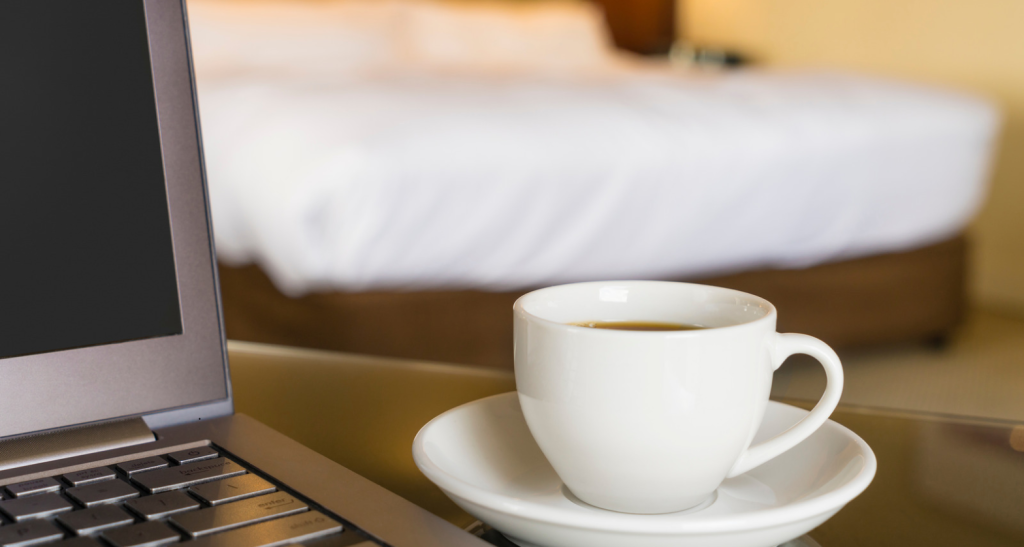
It is a question some hotel guests may have asked themselves: if tea, coffee and biscuits are provided in a hotel room, are they complimentary to take home, or are they intended to be enjoyed during the stay?
For hoteliers, this seemingly small question highlights a wider consideration. In-room refreshments are part of the guest experience, but hotels need to balance the value they provide with the cost of supplying and replenishing them.
Understanding how guests use these amenities can help accommodation providers make informed decisions about their hospitality trays, refreshment policies and overall room offering.
As a general rule, consumable items provided for guests to use during their stay are different from the hotel’s reusable equipment and furnishings.
Tea bags, coffee sachets, sugar portions and individually packaged refreshments are intended for guest use. However, whether guests are welcome to take unused supplies home can depend on the hotel’s own policy and how the items are presented.
Items such as kettles, coffee machines, mugs and hospitality trays are different. These are reusable hotel assets intended to remain in the room. Removing them or causing damage could result in a charge, depending on the circumstances and the hotel’s terms.
A recent guide from Booking.com on what guests can take from a hotel room, published in July 2026, explores the distinction between consumable amenities and hotel property. For guests who are unsure, checking with reception is the simplest way to avoid an unexpected misunderstanding.
There is no universal rule that every hotel must provide the same refreshments or allow guests to take unused supplies home. What is included depends on the accommodation, the booking terms and the way the hotel presents its offering.
Many hotels provide tea and coffee-making facilities as part of the room experience, while others offer premium beverages, minibar products or additional refreshments at a separate cost. Clear communication helps guests understand what is included and what may incur an additional charge.
For hotel operators, transparency matters. Guests should be able to distinguish between complimentary refreshments, chargeable items and equipment that belongs to the establishment.
This is particularly important where a room contains a mixture of single-use supplies and reusable equipment. Clear signage, sensible presentation and consistent information from staff can help prevent confusion.

Although individual tea bags, coffee portions and sugar sachets may seem inexpensive, supplying them across multiple rooms and throughout the year represents an ongoing operational cost.
Hotels need to consider the full picture: the cost of the refreshments, the time required to replenish them, stock management and the amount of waste generated. The challenge is to maintain a welcoming guest experience without creating unnecessary expense.
A practical starting point is to review which products are used most frequently, whether the selection suits the hotel’s guests and how consistently housekeeping teams replenish the trays.
Hotel Trays offers a range of hotel tea, coffee and milk supplies to help accommodation providers maintain their in-room refreshment offering. Choosing suitable single-serve products can also help make portioning and replenishment more straightforward.
The equipment used to present refreshments can influence both the appearance of a room and the work involved in maintaining it.
A well-organised tray provides a designated space for beverages and equipment, helping keep the refreshment area tidy and making it easier for housekeeping teams to identify missing supplies.
Different properties will have different requirements. A budget hotel may prioritise a compact, practical setup, while a premium establishment may prefer a more sophisticated presentation or a coffee pod machine.
Hotel operators can explore the available hospitality and hotel trays to consider options that suit their room layout, positioning and operational needs. The right choice should balance presentation with durability, ease of cleaning and the space available.
In-room refreshments are a relatively small part of a hotel’s overall operation, but they can contribute to the comfort and convenience guests experience during their stay.
The aim is not simply to provide more products. It is to offer the right refreshments, communicate what is included and establish processes that help teams maintain consistent standards.
Hotels can also review their policies on complimentary supplies to ensure they are clear and proportionate. As Booking.com’s recent guide to hotel fees and surcharges, published in June 2026, explains, guests can encounter additional charges in different areas of their stay. Clear information about what is included helps reduce surprises and supports a more transparent guest experience.
Ultimately, the question of whether a guest can take an unused tea bag home is part of a broader conversation about hospitality, value and expectations. By choosing appropriate refreshments, maintaining well-presented hospitality trays and communicating policies clearly, hotels can make the most of this everyday amenity while keeping operational requirements in mind.