
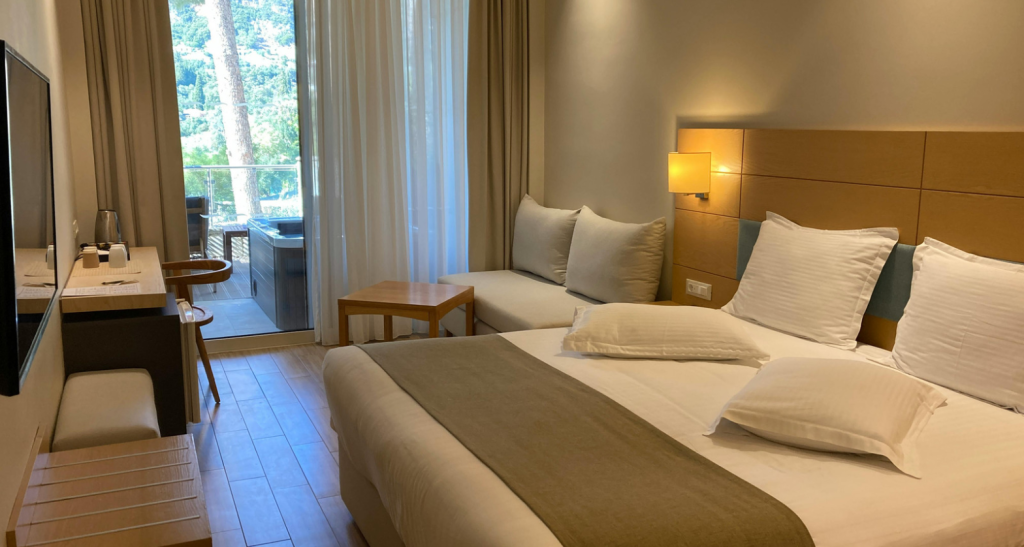
Hotel guest satisfaction is shaped by the details of a hotel stay, from the quality of service to the comfort and convenience of the room. While larger investments often attract the most attention, the smaller touches can also influence how guests perceive their experience.
In-room tea and coffee facilities are a familiar example. They give guests the freedom to enjoy a hot drink at their convenience, helping make their room feel more comfortable and welcoming. For hotel operators, providing this simple amenity effectively means considering not only what guests want, but also how refreshments are presented, maintained and replenished.
Guest expectations vary depending on the type of accommodation, its price point and the people it serves. A business hotel, country retreat and budget property may have different priorities, but each needs to consider whether its in-room facilities meet the needs of its guests.
When reviewing tea and coffee provision, hoteliers should look beyond the presence of a hospitality tray. Beverage quality, variety, presentation and ease of use all contribute to the experience.
The aim is not necessarily to offer the largest selection or the most expensive equipment. Instead, hotels should choose refreshments and facilities that suit their guests, complement their wider service offering and represent good value for money.
Research from YouGov found that 79% of Britons expected tea and coffee facilities in a standard hotel room, highlighting how familiar these amenities have become to guests.

A well-presented hotel room tray can contribute to a positive first impression, but maintaining that standard across every room is just as important.
Guests should be able to expect clean equipment, suitable refreshments and a consistent level of presentation throughout their stay. Achieving this requires reliable housekeeping processes, including routine cleaning, stock checks and replenishment.
The equipment itself can make a difference. Trays should fit comfortably within the available space, keep supplies organised and allow housekeeping teams to clean and replenish them efficiently. Where hotels use coffee machines or kettles, cleaning and maintenance requirements should also be considered to help maintain hygiene and reliable performance.
By reviewing these processes regularly, hotel operators can identify small issues before they become recurring guest complaints.
Guest reviews can provide useful insight into how well in-room refreshments meet expectations. Comments about beverage quality, missing supplies, cleanliness or limited choice may highlight areas worth investigating.
However, it is important to look for recurring themes rather than make decisions based on isolated comments. Feedback can be considered alongside housekeeping observations and replenishment records to build a clearer picture of what is working and where improvements may be worthwhile.
For example, repeated comments about limited beverage choice may justify reviewing the selection, while concerns about equipment cleanliness could prompt changes to cleaning routines or the equipment itself.
This approach helps hotels make informed decisions about their facilities, rather than investing in upgrades without a clear understanding of the problem they are intended to solve.
Understanding guest expectations is an important part of making informed decisions about hotel facilities. The NielsenIQ and Zonal Go Technology report explores British consumers’ hotel preferences and engagement with food and drink.
Providing a good in-room refreshment experience also needs to work for the teams responsible for delivering it.
Product selection, equipment choice and replenishment routines can all affect the time and resources required to maintain hospitality trays. A more extensive offering may appeal to some guests, but it can also introduce additional costs, stock requirements and housekeeping tasks.
Hotel operators should therefore consider the full picture when reviewing their provision: the initial cost of equipment, ongoing consumables, cleaning requirements, maintenance and the value the facilities offer guests.
For some hotels, a traditional hospitality tray may remain the most practical option. Others may find that coffee pod machines or a wider beverage selection better suit their positioning and guest expectations. The right choice depends on the individual property and its priorities.
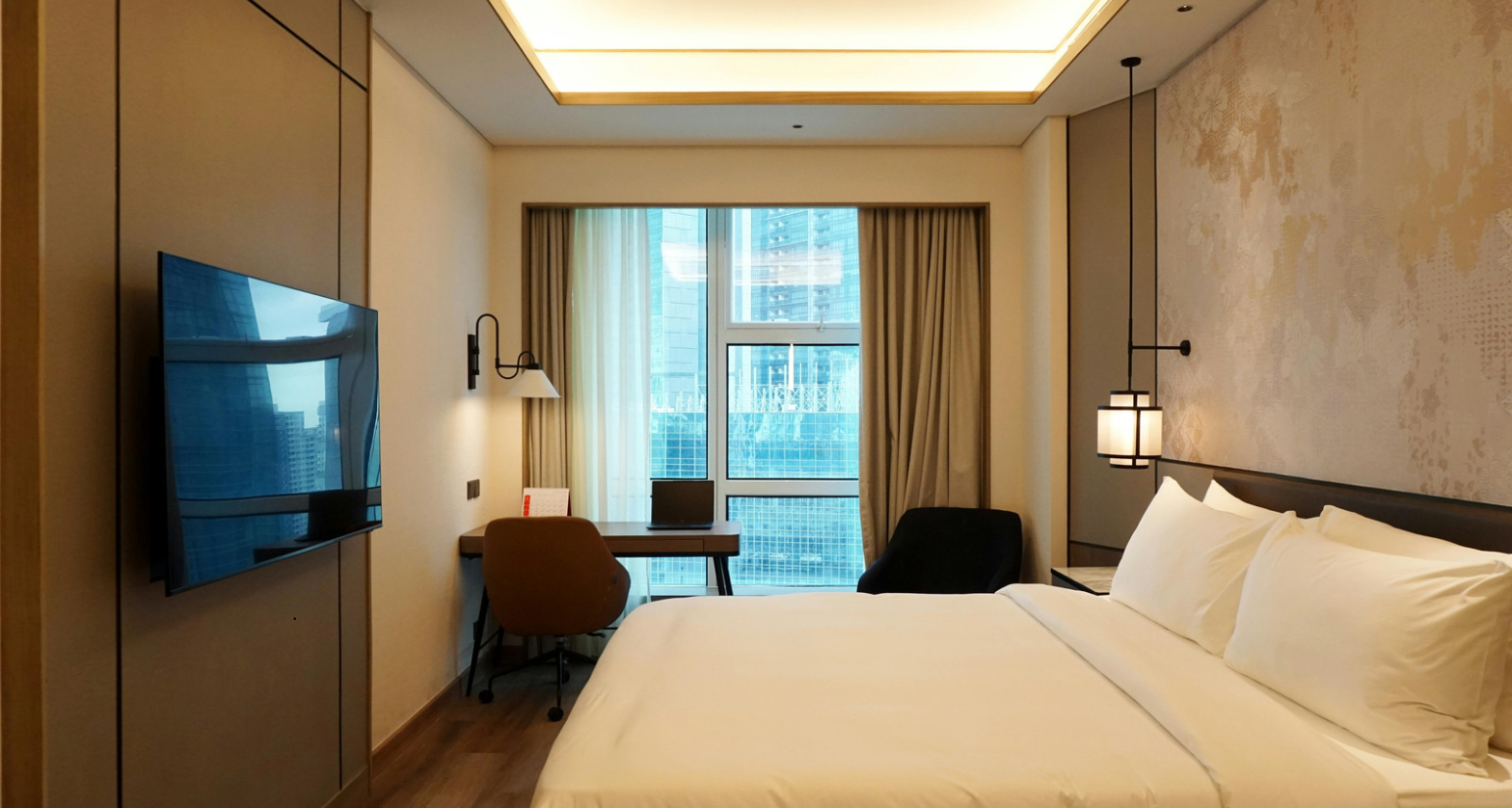
Hotel guest satisfaction rarely depends on a single amenity. However, consistently delivering the basics well can help create a more comfortable and considered stay.
By understanding guest expectations, maintaining reliable housekeeping processes and using feedback to guide improvements, hotels can ensure their in-room refreshments continue to meet the needs of their guests and their business.
For hoteliers reviewing their current facilities, the starting point is simple: assess what guests value, identify any recurring issues and consider whether the existing setup is delivering the right experience at the right cost.
