
The next generation of travellers is already influencing the hospitality industry. From how trips are discovered and booked to the facilities guests expect when they arrive, changing habits are giving hotels new reasons to review their offering.
Generation Z, also known as Gen Z and generally defined as those born between 1997 and 2012, is not a single group with identical preferences. Some prioritise affordability and convenience, while others look for distinctive experiences, premium touches or more sustainable choices.
For hotel operators, the opportunity is not to redesign every room around a generation. It is to understand the trends shaping guest expectations and consider how the details of a stay can meet them.
In-room tea and coffee facilities provide a practical example. A well-chosen refreshment setup can offer convenience, reflect a property’s positioning and provide a simple way to make guests feel welcome.
Digital platforms play a significant role in how younger travellers discover destinations and accommodation.
Skyscanner’s 2026 travel trends research highlights the influence of social media and AI-assisted travel planning among Gen Z. Its findings suggest that younger travellers are increasingly comfortable using digital tools to explore destinations, compare options and plan their trips.
For hotels, this reinforces the importance of a clear online presence, accurate information and guest reviews that reflect the experience being delivered.
However, the digital journey does not end when a booking is made. The actual stay still needs to deliver on expectations. Clean rooms, functional facilities and convenient amenities remain important, regardless of how a guest discovered the property.
Hospitality industry body HOSPA, drawing on Amadeus research published in 2026, highlights the continuing importance of convenience, cleanliness and personalisation. It also reports that 88% of travellers surveyed say online reviews influence where they choose to stay.
The practical lesson is that digital marketing may help attract a guest, but the details of the stay help shape the experience they remember and review.
Younger travellers are often described as wanting a fully digital, contactless experience. While technology can remove friction from booking and checking in, it would be a mistake to assume that every guest wants to avoid human interaction.
Research from NIQ and Zonal, published in March 2026, found that 48% of consumers surveyed considered human interaction the most important factor in their hospitality experiences. A further 52% said technology either enhances the experience or works best alongside human service.
Although this research covers hospitality experiences more broadly rather than hotel stays alone, it illustrates an important balance: technology should make the experience easier, not remove the personal touches guests value.
The same principle applies to in-room refreshments. Guests should be able to prepare a drink without unnecessary effort, using equipment that is easy to understand and supplies that are readily available.
A straightforward kettle and a carefully selected range of tea and coffee may meet that need perfectly well. Other properties may choose to offer a coffee pod machine or a wider selection to complement a premium room experience.
The right choice depends on the hotel, its guests and the standard it aims to deliver.
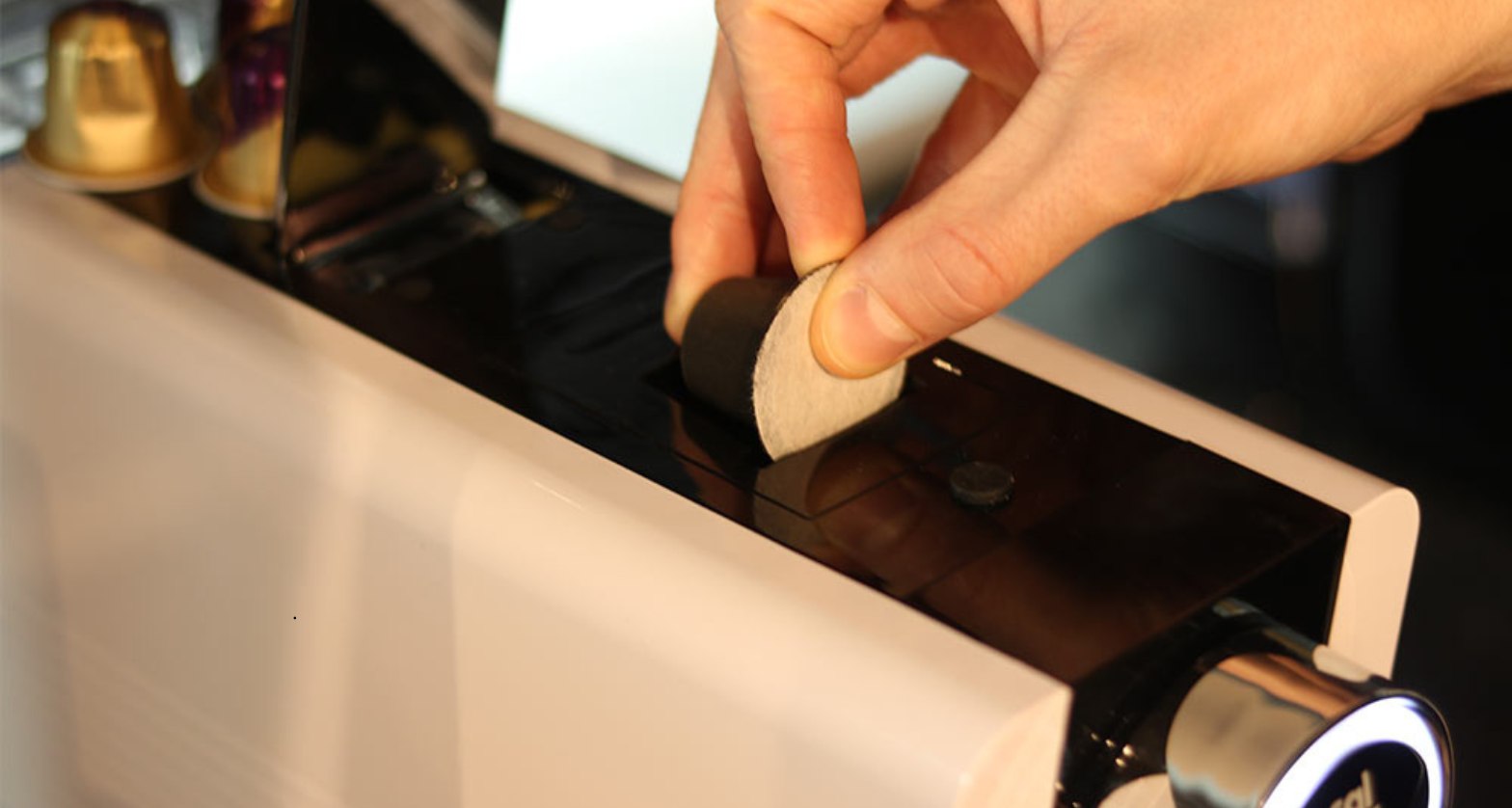
Coffee culture continues to evolve, and hotels have several ways to respond without necessarily investing in expensive equipment throughout the property.
The first step is to consider the experience the hotel wants to provide and the practicalities of delivering it.
Hotel Trays offers a range of coffee bags, instant coffee and other coffee products to suit different room setups and budgets.
For properties considering an equipment upgrade, a Dualit Nespresso-compatible coffee machine offers another option. It can be used as a standalone appliance or incorporated into a suitable hospitality tray arrangement.
A premium setup will not be necessary for every property. The important thing is to match the product to the room, the guest experience and the resources available to maintain it.
A hospitality tray can be a small but useful part of the guest room. It provides a dedicated place for refreshments, helps keep the area organised and gives hotels an opportunity to present their offering consistently.
For smaller rooms, a compact tray can help make better use of limited surface space. In larger or more premium rooms, the design may need to accommodate additional equipment or a wider selection of drinks.
When reviewing the setup, hotel operators should consider:
Hotel Trays’ range of hospitality tea and coffee trays includes options for different room layouts and requirements.
Rather than changing every tray to follow a trend, operators can review the existing setup and identify where a different design, product or layout could make a practical improvement.
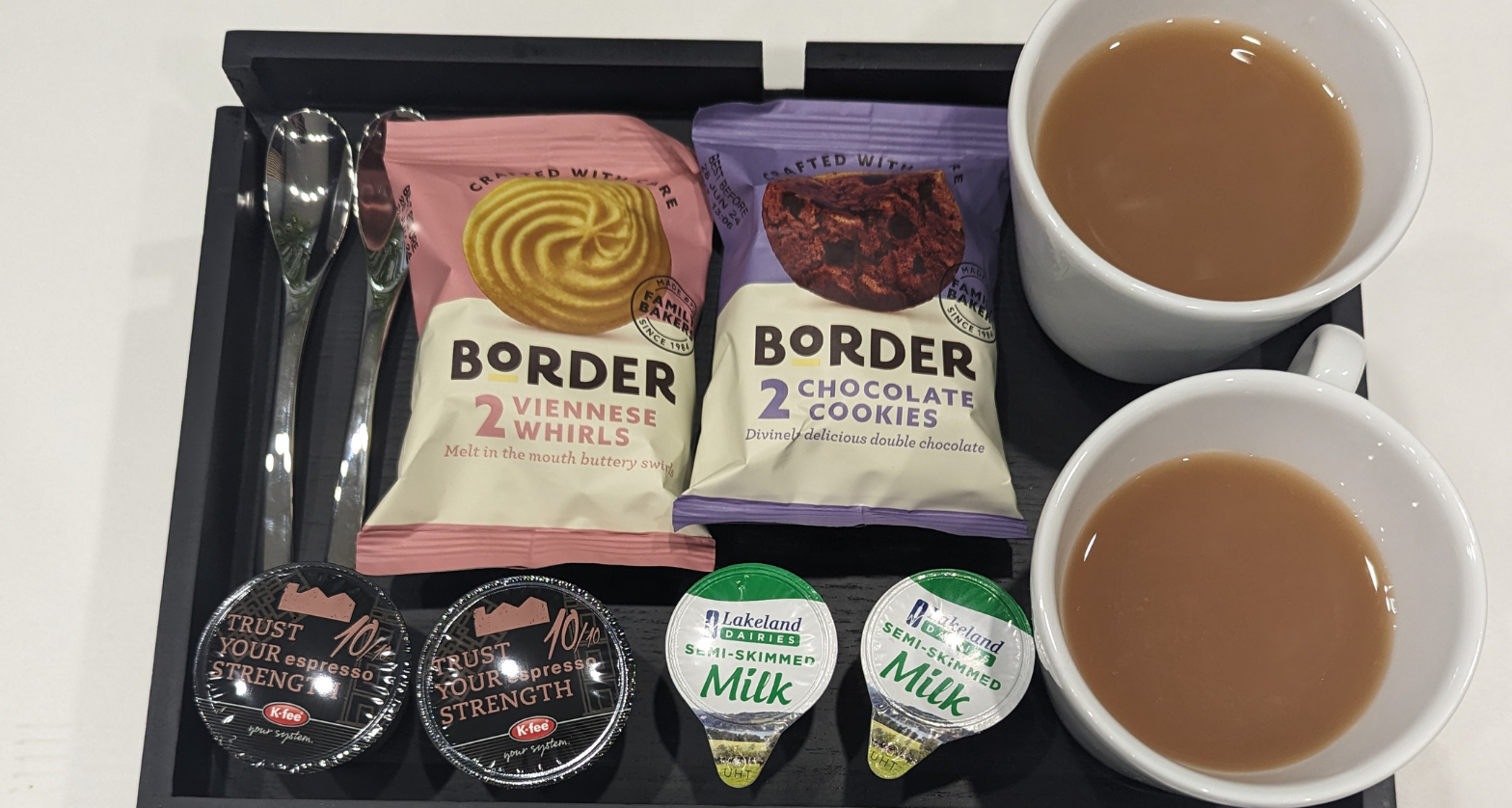
Sustainability is often associated with younger consumers, but it should not be treated as a preference exclusive to one generation.
A 2026 study published in Sustainable Development examined how environmental considerations influence Gen Z’s online accommodation choices. Its findings suggested that functional attributes were the main drivers of satisfaction in the booking context studied, while environmental factors were not decisive. This is a useful reminder to look at actual behaviour rather than rely on assumptions about generational values.
For hotels, a sensible approach is to consider sustainability alongside quality, convenience and cost.
In-room refreshments provide several opportunities to do this:
A product should not be selected on environmental claims alone. Its packaging, lifespan, maintenance requirements and suitability for the guest experience all deserve consideration.
One of the risks of focusing too heavily on generational trends is overlooking the basics that matter to a broad range of guests.
A young business traveller, a family on holiday and an older leisure guest may have different reasons for choosing a hotel, but all benefit from clean, functional facilities and refreshments that are available when expected.
A consistent replenishment process can help hotels maintain that standard. Housekeeping teams should know what each room needs, how equipment should be checked and cleaned, and how missing supplies or faults should be reported.
Hotel Trays’ hotel tea, coffee and milk supplies and replenishment shop can help operators review the products they use to support their in-room offering.
Guest feedback, stock usage and housekeeping records can then help identify where improvements are worthwhile. That is more reliable than assuming every member of a particular generation wants the same facilities.
Gen Z will continue to influence the hospitality market as its members move through different life stages, travel for different reasons and develop new expectations. Yet the most useful response for hoteliers is not to chase every trend or make sweeping assumptions about younger guests.
Instead, hotels can focus on making the whole experience work well: clear information before arrival, convenient facilities during the stay and a consistent standard of service throughout.
In-room tea and coffee provision is just one part of that picture, but it offers a practical opportunity to review product choice, equipment, presentation and replenishment.
The hotels best placed to adapt will be those that pay attention to changing guest behaviour without losing sight of what makes a stay comfortable, convenient and welcoming for everyone.