
The accommodation market offers guests more choice than ever. From full-service hotels to independent holiday apartments and self-catering homes, travellers can choose a stay that suits their budget, plans and preferred way of travelling.
For accommodation providers, standing out is not necessarily about offering the most amenities or competing directly with every alternative. It is about understanding what guests value and delivering an experience that feels considered, comfortable and appropriate for the property.
Sometimes, that comes down to the details. Clean, well-presented rooms, practical facilities and the convenience of making a hot drink can all contribute to a welcoming stay.
Different types of accommodation appeal to different needs. Hotels may offer reception services, housekeeping, restaurants and support throughout a guest’s stay. Holiday lets such as Air BnB, meanwhile, can provide greater independence, additional living space and facilities that allow guests to settle into a home-from-home environment.
Neither model is inherently better. The experience depends on the property, its facilities and how well it meets the expectations of the people staying there.
The scale of the short-term rental market highlights the importance of this variety. According to the Office for National Statistics, guests spent more than 100.9 million nights in UK short-term lets booked through major online platforms during 2025, an increase of 11.5% on 2024.
The figures demonstrate that short-term rentals are an important part of the wider accommodation market. For both hotels and holiday-let operators, the opportunity is to make their own offering work well for their intended guests.
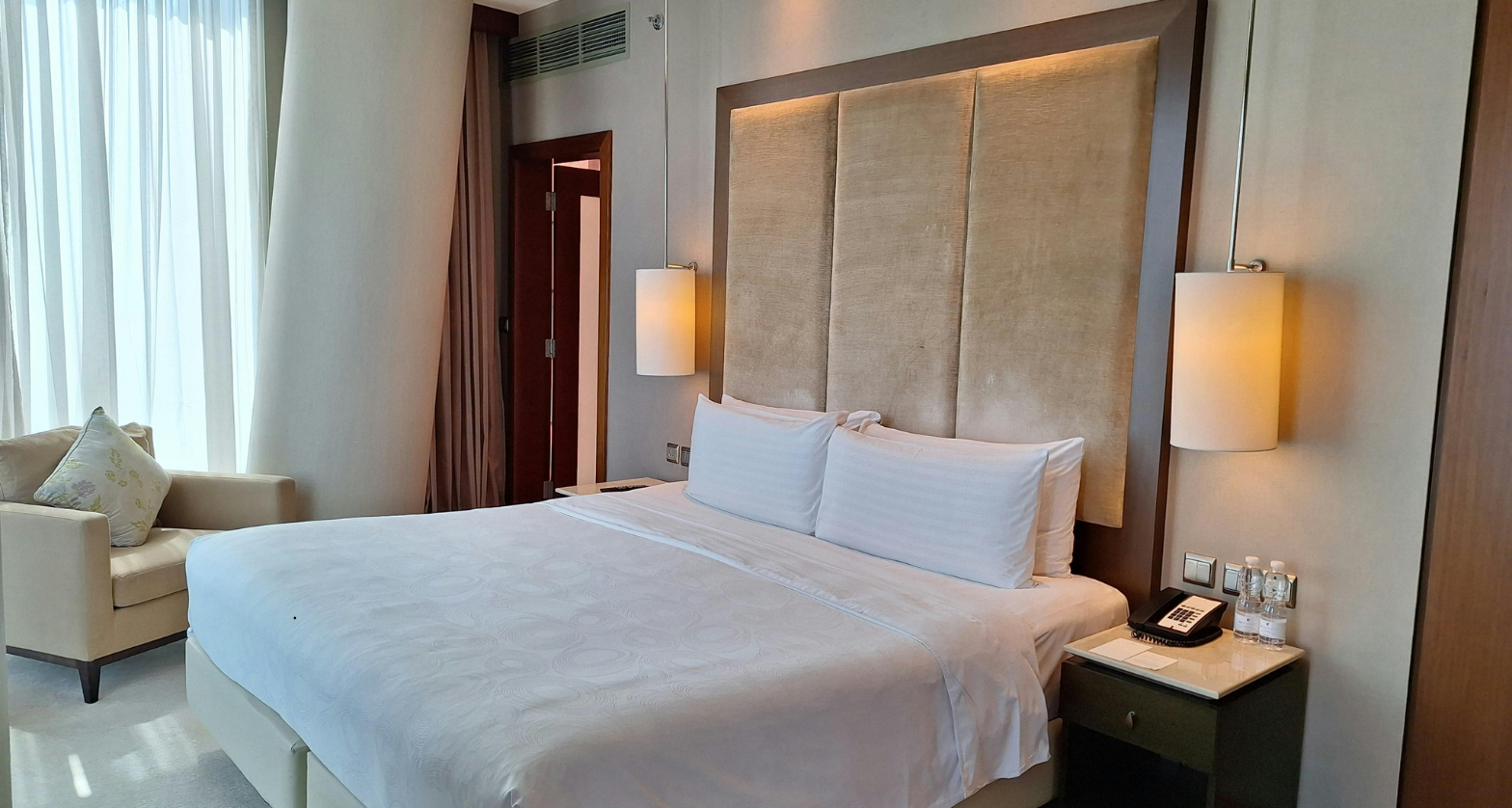
Guests may choose accommodation for its location, price, facilities or character, but the details of the stay still matter once they arrive.
A clean room, comfortable surroundings and straightforward access to everyday essentials can help create a positive first impression. In-room tea and coffee facilities are one example of a relatively simple feature that provides convenience without requiring guests to leave their accommodation.
For hotels, refreshments can complement the wider service offering and give guests the freedom to enjoy a drink between meals or after a long day.
For self-catering accommodation, they can provide a useful welcome while guests settle in, particularly when they arrive late or do not want to visit a shop immediately.
The right approach will depend on the property. A boutique hotel may prioritise presentation and premium products, while a holiday apartment may focus on practical, easy-to-use supplies that suit longer stays.
There is no single refreshment solution that suits every accommodation provider. The best choice depends on the available space, expected usage, budget and type of experience the business wants to offer.
Instant coffee and tea bags provide a straightforward option for properties looking for convenience and simple replenishment.
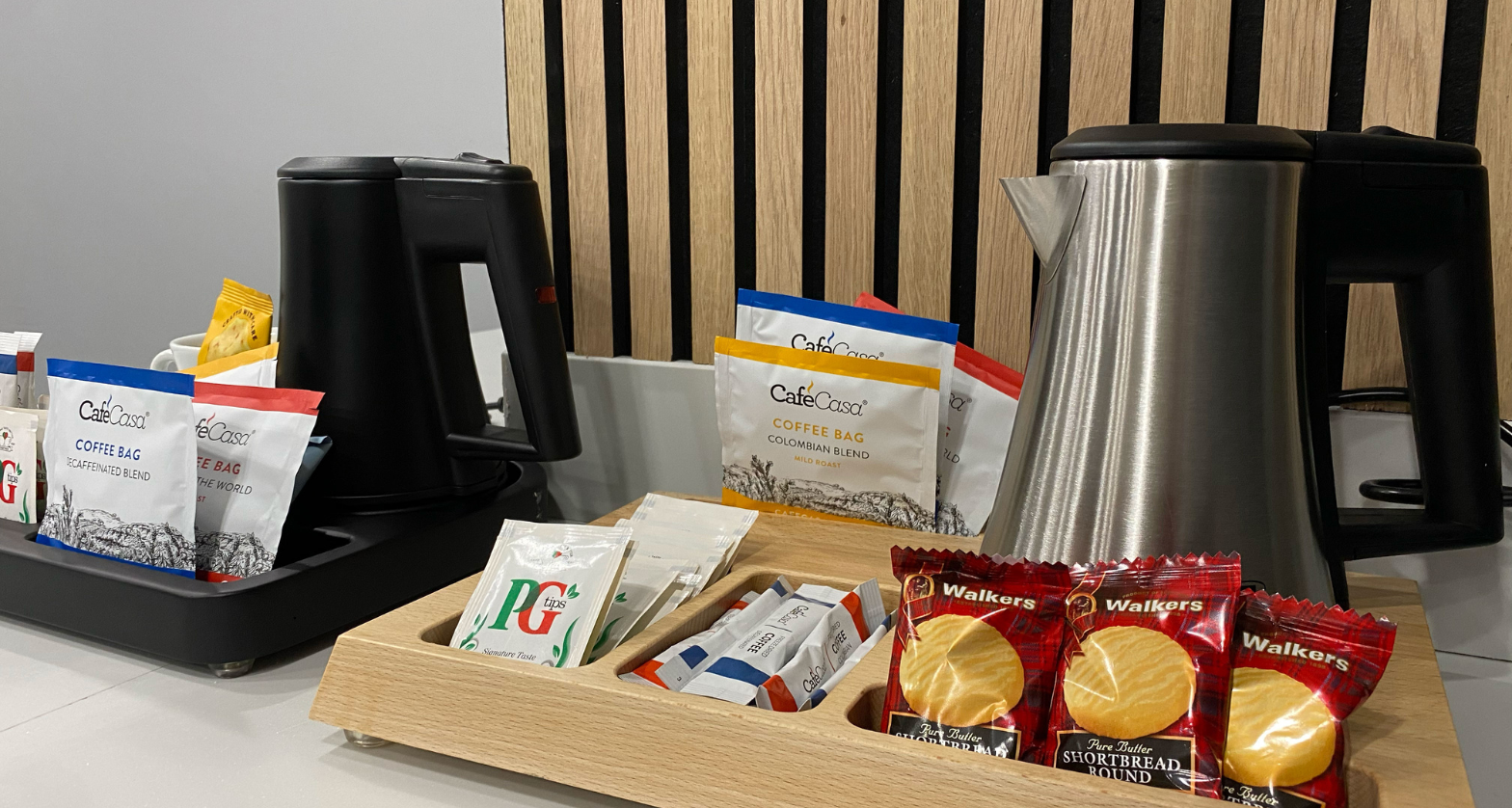
Coffee bags offer an alternative to instant coffee without requiring a dedicated machine. They can be useful where space is limited or where operators want to offer guests a different coffee experience without introducing additional equipment.
Coffee pod machines can provide a more premium feel, particularly in higher-end rooms, serviced apartments and holiday lets where guests may appreciate additional choice.
Kettles and hospitality trays help keep equipment and refreshments organised, providing a dedicated space for guests to prepare a drink.
Hotel Trays offers a range of hospitality trays for hotels and guest accommodation, alongside coffee products, including coffee bags and hotel tea, coffee and milk supplies.
The objective is not to provide the most elaborate setup possible. It is to select products that fit the property, meet guest expectations and can be maintained reliably.
Consistency is important regardless of the accommodation model. Guests should be able to understand how facilities work, find the essentials they need and feel confident that the room has been prepared properly.
For hotels, this may involve standardised housekeeping checklists, regular equipment inspections and clear replenishment routines across different room types.
For holiday-let owners and managers, a repeatable preparation process can help ensure that each arrival receives the same standard, even when properties are managed remotely or cleaned by different teams.
A practical checklist could include:
These checks can help prevent small, avoidable problems from affecting the overall experience.
Every amenity comes with a cost, whether that involves purchasing consumables, replacing equipment, maintaining stock or allocating staff time.
For hotels with many rooms, small differences in replenishment and equipment costs can accumulate across the year. Holiday-let operators also need to consider the cost of preparing each property between bookings, particularly when managing several locations.
The answer is not necessarily to remove amenities or reduce the quality of the offering. Instead, providers can review what guests use, what they value and which products are practical to maintain.
Useful questions include:
Reviewing guest feedback alongside purchasing and maintenance records can help accommodation providers make informed decisions rather than relying on assumptions.
For businesses looking to simplify their supply arrangements, the Hotel Trays replenishment shop offers a range of products to support in-room refreshment provision.
Sustainability can also influence the products and equipment accommodation providers choose. Packaging, energy consumption, water use, product lifespan and waste all deserve consideration when reviewing room amenities.
For example, operators can choose equipment suited to their needs, maintain appliances in line with manufacturer guidance and avoid providing excessive quantities of products that are likely to go unused.
The UK government’s guidance on delivering a registration scheme for short-term lets also reflects the importance of recognising short-term rentals as part of the wider accommodation sector, with appropriate standards and responsibilities.
For both hotels and holiday lets, the most useful improvements are those that support the guest experience while remaining practical and responsible to deliver.
Hotels and holiday lets offer distinct benefits, and travellers will continue to choose between them according to their individual needs. The opportunity for accommodation providers is not to replicate one another, but to understand what makes their own offering valuable.
In-room tea and coffee facilities are a small but practical example. With suitable products, thoughtful presentation and a reliable replenishment process, they can help make a room feel ready for guests and provide a convenient part of the stay.
Whether managing a hotel, guest house, serviced apartment or holiday let, getting the everyday details right can support a more consistent experience without adding unnecessary complexity.
The question is not how to outdo another type of accommodation, but how to make your own property the right choice for the guests you want to welcome.