
What do hotel guests expect from their stay? While priorities vary between business travellers, families and leisure guests, the fundamentals remain familiar: a clean room, comfortable surroundings and the everyday conveniences that help a stay run smoothly.
For hotel operators, delivering these standards consistently across every room is an important part of the guest experience. In-room tea and coffee facilities are a good example. They may be a relatively small part of the overall offering, but when supplies are missing, equipment is unclean or the setup feels inadequate, guests can notice.
The challenge is to provide refreshments that meet expectations without creating unnecessary work, waste or expense.
Guest expectations are not static. Travellers have a wide choice of accommodation, and hotels must balance the essentials with the features that make their particular offering stand out.
A 2026 report from hospitality industry body HOSPA, drawing on Amadeus research, highlights the continuing importance of cleanliness, convenience and personalisation. It also notes that guest satisfaction and online reputation remain important priorities for hotel operators.
For hoteliers, this reinforces a practical point: the basics need to work well before additional amenities can make a meaningful difference.
In-room refreshments can contribute to that experience by giving guests the convenience of making a hot drink when they choose. The right provision will depend on the property, its room rates and the needs of its typical guests. A business hotel may prioritise speed and simplicity, while a boutique or premium property may want to offer a wider selection.
The objective is not necessarily to provide more, but to provide what makes sense for the guest and the business.

A hospitality tray should feel like a considered part of the room. Its presentation, contents and equipment should reflect the standard the hotel wants to deliver.
Consistency is particularly important for properties with multiple room types or a high turnover of guests. A clearly defined standard helps housekeeping teams understand what each room should contain and makes it easier for managers to identify gaps.
A typical checklist might cover:
The right hospitality tray can help keep these items organised and presentable. Choosing a design that suits the available space also makes it easier for staff to maintain a consistent setup during room turnaround.
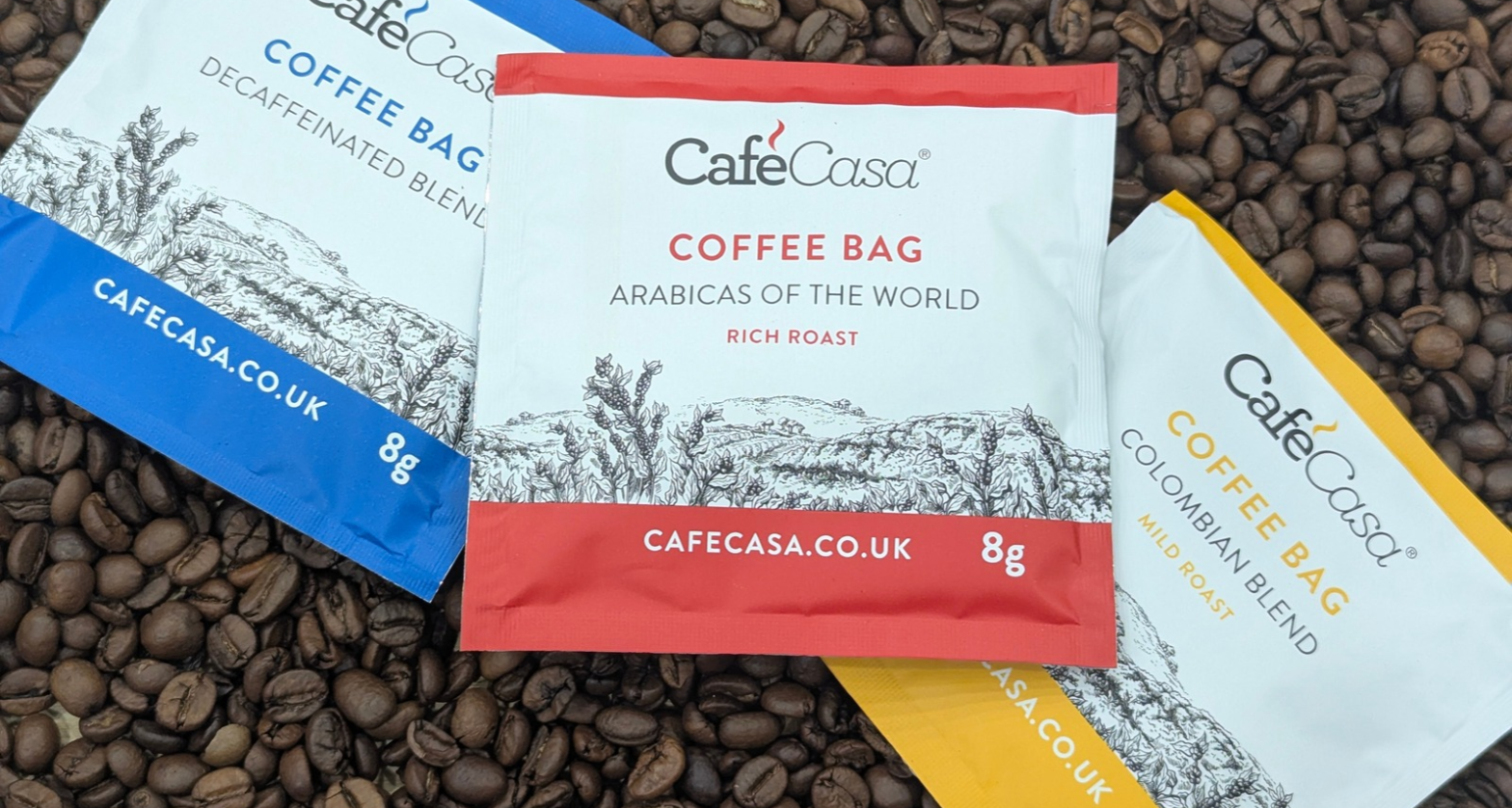
Not every hotel room needs an automatic coffee machine to provide a satisfying hot drink. Single-serve coffee bags offer an alternative that can be straightforward for guests to prepare and convenient for hotels to store and replenish.
They can also give hotels a way to offer something different from standard instant coffee without introducing more complicated equipment into every room.
When assessing coffee options, operators should consider the quality and taste of the drink, ease of preparation, storage requirements, cost per serving and the amount of time needed to replenish supplies.
Hotel Trays offers a range of single-serve coffee bags and other hotel coffee supplies, including different blends and decaffeinated options. A varied selection can help hotels tailor their provision to the experience they want to offer, while keeping the format practical for room use.
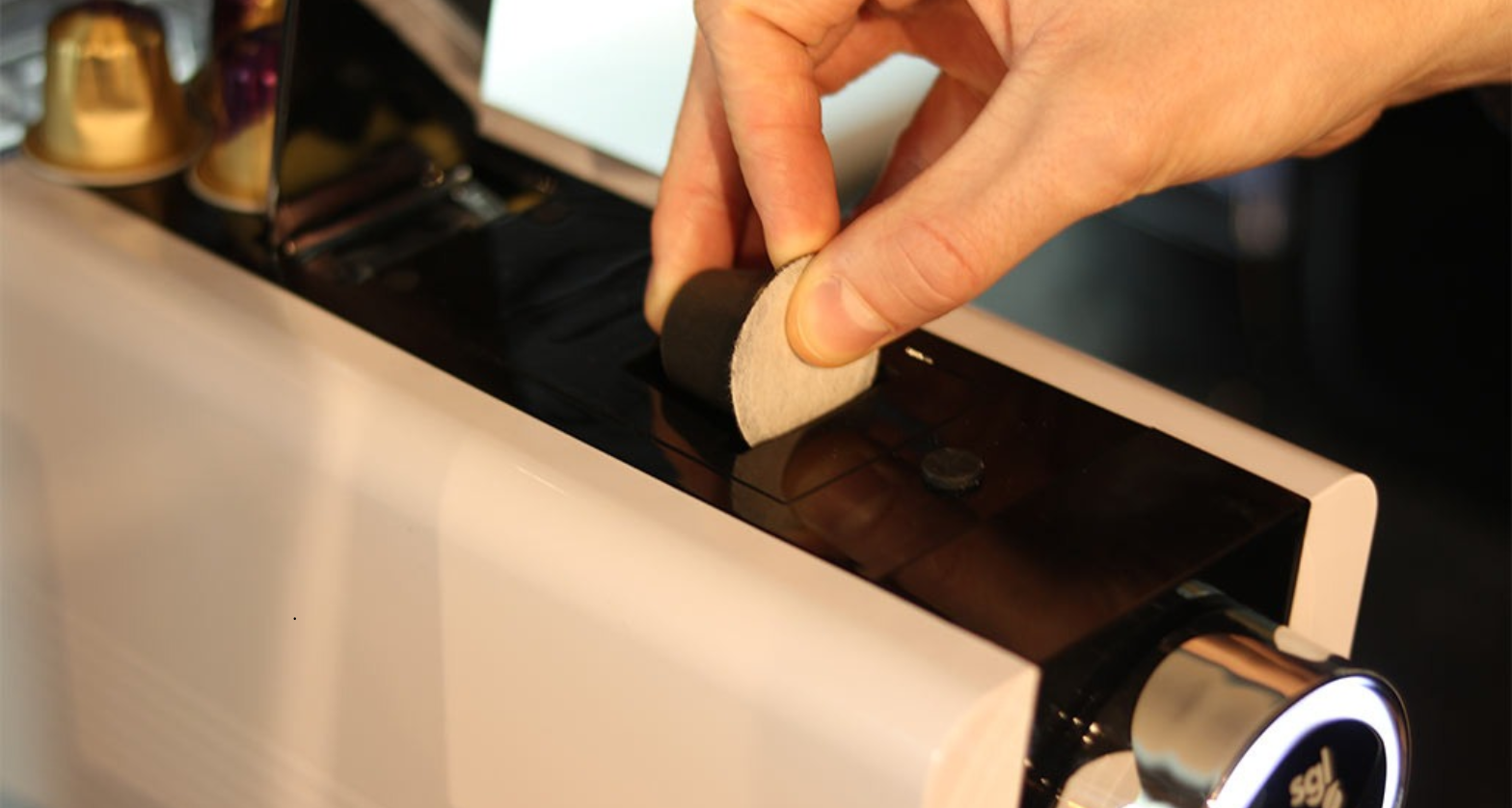
Coffee bags are not the right solution for every property, of course. Hotels looking to provide a more premium coffee experience may prefer pod machines or other equipment. The important thing is to match the product to guest expectations, available space and the level of service the hotel can consistently maintain.
Even a well-designed hospitality tray can disappoint if it is not replenished properly. Missing tea bags, empty coffee supplies or unavailable milk can undermine the convenience guests expect.
At the same time, placing excessive quantities in every room can increase purchasing costs and leave unused products behind after check-out.
A standard replenishment process helps hotels strike a better balance. Housekeeping teams should know what needs checking, which quantities to replace and how to report damaged equipment or low stock. Managers can then review consumption patterns and adjust the standard where necessary.
A centralised supply range can also simplify ordering. Hotel Trays’ hotel tea, coffee and milk supplies include single-serve refreshments and associated items, helping operators source the products needed to maintain their in-room offering.
Hotels should periodically review what is actually being used, what guests request and which products are regularly left untouched. This can help refine the selection without compromising the standard guests receive.
Guest expectations extend beyond the products themselves. Kettles, coffee machines, cups and trays should be included in routine room checks, with clear procedures for cleaning and reporting faults.
Limescale, residue, damaged components and worn equipment can affect the appearance and usability of refreshment facilities. Hotels should follow the manufacturer’s instructions for cleaning and maintenance, taking equipment out of service where necessary.
The process should be clear enough for teams to follow consistently, even during busy periods. Standardised checks reduce the risk of important tasks being overlooked and help managers maintain the same level of provision across different rooms and shifts.
It is also worth considering how easy equipment is to clean and maintain before purchasing it. A product that looks attractive but is awkward to handle or difficult to keep clean may create additional work over time.
Hotels operate under ongoing cost pressures, so every amenity needs to justify the resources it requires. However, reducing costs does not automatically mean removing products or reducing choice. Often, the better approach is to understand how the existing provision can be delivered more efficiently.
CBRE’s UK Budget Hotels Survey 2026, published in October, found that price, cleanliness and location remain leading factors in hotel choice. Its research reinforces the value of getting the core offering right rather than adding amenities without a clear purpose.
For in-room refreshments, hotel managers can review:
These checks help managers make decisions based on the needs of their own hotel rather than assumptions about what every guest wants.
A positive hotel stay is shaped by many different factors, but the everyday details should not be overlooked. Clean, functional and well-stocked tea and coffee facilities can support guest convenience while giving housekeeping teams a clear, repeatable process to follow.
For hotel operators, the key is to establish a standard that suits the property, select products that meet that standard and review the process regularly.
By paying attention to equipment, product choice, cleanliness and replenishment, hotels can provide a more consistent in-room experience without adding unnecessary complexity to daily operations.
The goal is simple: give guests the essentials they expect, maintain them reliably and make sure the process works for the people running the hotel.
