
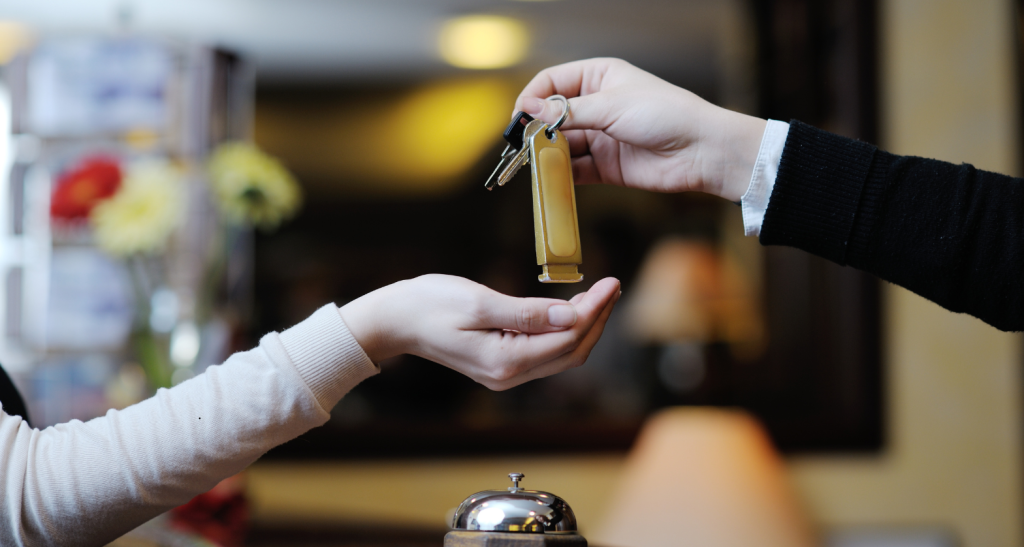
What makes a hotel stay memorable? It is rarely just one thing. Comfortable surroundings, attentive service and a room that meets expectations all contribute to how guests feel about their experience.
For hotel operators, delivering that experience consistently means paying attention to the details, including the amenities guests use every day. In-room tea and coffee facilities might not be the main reason someone books a room, but they are an opportunity to provide convenience and demonstrate care.
The challenge is to make these small touches feel considered while keeping them practical to manage across the property.
A guest’s impression of a hotel is shaped by the entire stay, from booking and arrival to the condition of the room and the service they receive.
Hospitality industry body HOSPA, drawing on Amadeus research in its 2026 analysis of changing guest expectations, highlights the importance of cleanliness, convenience and consistency. Its findings reinforce that the fundamentals of a stay remain important, even as expectations around personalisation and technology evolve.
For hotel operators, this means looking beyond major investments and considering the everyday details that influence how a room feels and functions.
A clean, well-organised hospitality tray, working equipment and a suitable selection of refreshments can help make a room feel ready for its next guest. Equally, missing supplies, poorly maintained equipment or a cluttered setup can detract from the experience.
The aim is not to add more amenities for the sake of it. It is to make sure the essentials are delivered to the right standard.
In-room refreshments offer guests the freedom to enjoy a hot drink when it suits them, whether that is first thing in the morning or after a long day travelling.
However, a good setup involves more than placing a kettle and a few sachets on a surface. Hotels should consider how the tray looks, how easy it is to use and whether the selection suits the property’s positioning.
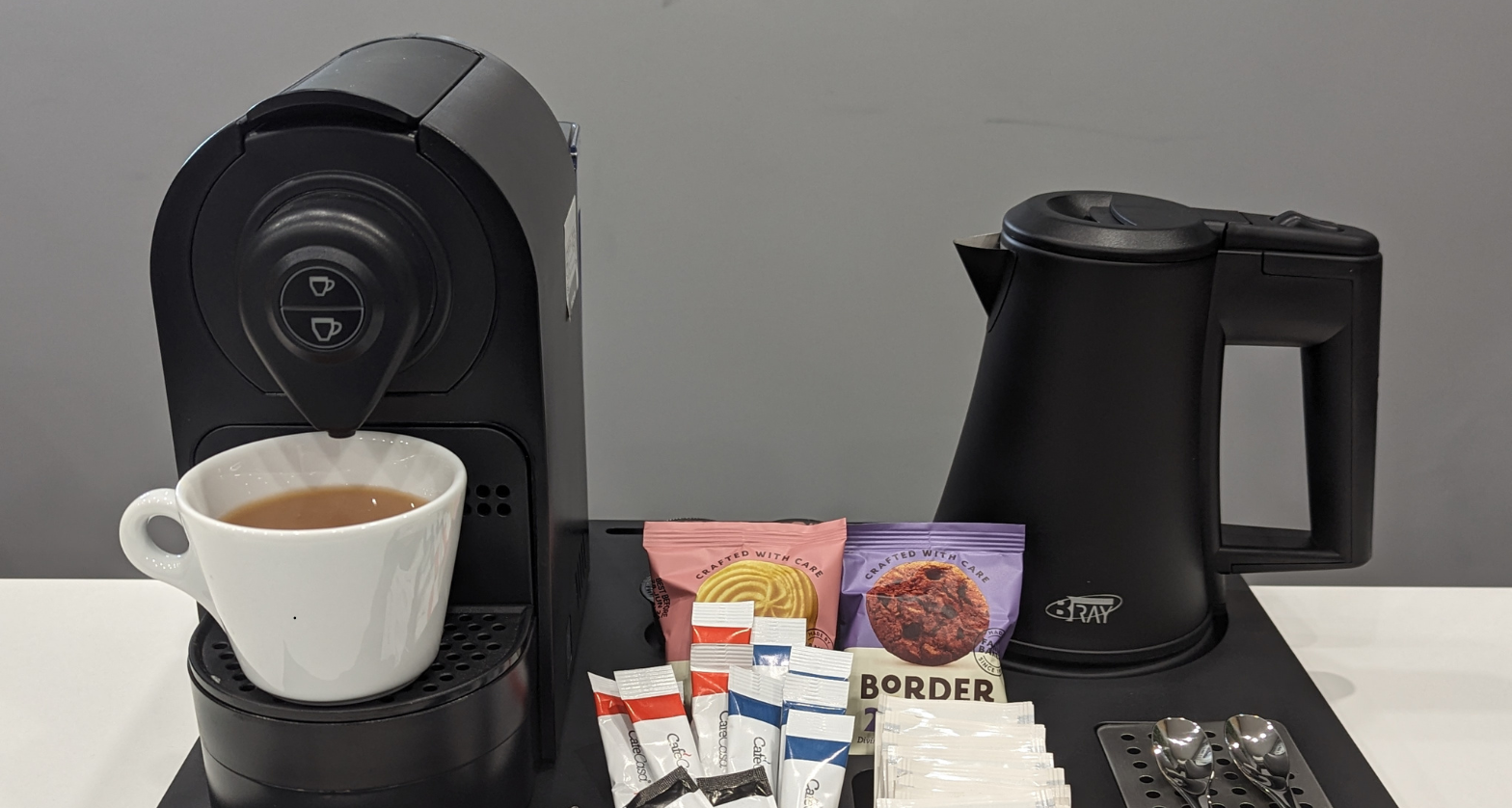
A straightforward setup might include tea, instant coffee, sugar, milk and a kettle. Other properties may choose to introduce coffee bags or pod machines to provide a different experience.
The tray itself also matters. A well-designed option helps keep everything organised, provides a dedicated space for refreshments and makes it easier for housekeeping staff to prepare rooms consistently.
Hotel operators can explore the range of hospitality tea and coffee trays to compare different styles, sizes and configurations for their rooms.

Not every guest has the same preferences, and not every hotel needs to provide an extensive range of drinks. The right selection depends on the property’s target audience, room rates, available space and overall experience.
Coffee is one area where hotels can consider different options. Instant coffee remains convenient and straightforward, while coffee bags offer an alternative that does not require a dedicated machine. Pod machines may be appropriate for properties looking to offer a more premium in-room experience.
Tea selection deserves similar consideration. Alongside a familiar breakfast tea, some hotels may find value in offering decaffeinated or herbal varieties.
The important thing is to provide a range that feels appropriate without creating unnecessary stock, waste or replenishment work.
Hotel Trays offers single-serve coffee bags and other coffee options, alongside a wider range of hotel tea, coffee and milk supplies. Reviewing the available products can help operators decide which options best suit their rooms and budgets.
A visually appealing refreshment area can contribute to the overall presentation of a room, but appearance alone is not enough. Equipment and supplies need to be easy for guests to use and straightforward for staff to maintain.
When selecting a hospitality tray, hotel teams should consider:
A compact design may suit smaller rooms, while larger trays may be more appropriate where a coffee machine and additional accessories are provided.
These practical considerations help ensure that the refreshment area remains useful throughout its life, rather than becoming another feature that creates extra work.
One of the biggest challenges for hotel teams is ensuring that every room is prepared to the same standard, particularly during busy periods and high occupancy.
A clearly defined refreshment checklist can help housekeeping staff check equipment, confirm supplies are available and identify anything that needs attention. It also gives managers a straightforward way to communicate expectations across different shifts and room types.
Regular checks should cover the condition and cleanliness of kettles, coffee machines, cups and trays, as well as the availability of consumables. Equipment should be cleaned and maintained according to the manufacturer’s instructions, with faults reported promptly.
Stock control is equally important. Providing too little can leave guests without expected refreshments, while excessive quantities may contribute to unnecessary waste. Reviewing usage patterns and guest feedback can help hotels find a sensible balance.
The Hotel Trays replenishment shop brings together tea, coffee, milk, sugar, biscuits and other supplies, making it easier to review the products needed to maintain an established room standard.
A positive stay is the result of many different factors working together. In-room refreshments will not compensate for wider service problems, but they can contribute to a room that feels thoughtful, comfortable and ready for the guest.
For hotel operators, the opportunity lies in getting the basics right: selecting appropriate products, presenting them well, keeping equipment in good condition and ensuring supplies are replenished consistently.
These improvements do not necessarily require a major investment. Sometimes, reviewing the existing setup and making a few carefully chosen changes can make the process more efficient for staff while keeping the guest experience at the centre of the decision.
The question is not simply what you can add to a hotel room, but how well the details you already provide meet your guests’ expectations.
